How six thin layers become one surface.
Preparation, then six layers: primer, two base coats, two finish coats and a sealer. A professional application typically runs to six to eight stages across several days.
The steps
Prepare the substrate
The base is inspected, cleaned, degreased and repaired. Cracks are treated, loose tiles re-fixed, and any significant unevenness levelled. Because the coating is only 2–3 mm thick, it cannot hide a poor base. Moisture is checked: rising damp or groundwater moisture is a reason to stop and fix first.

Prime
A bonding primer suited to the substrate goes on first. Absorbent surfaces such as concrete, mortar and plaster take a diluted primer; glazed tile, marble and other closed surfaces need one formulated for them. This is the bridge that makes everything else grip.
Base coat and mesh
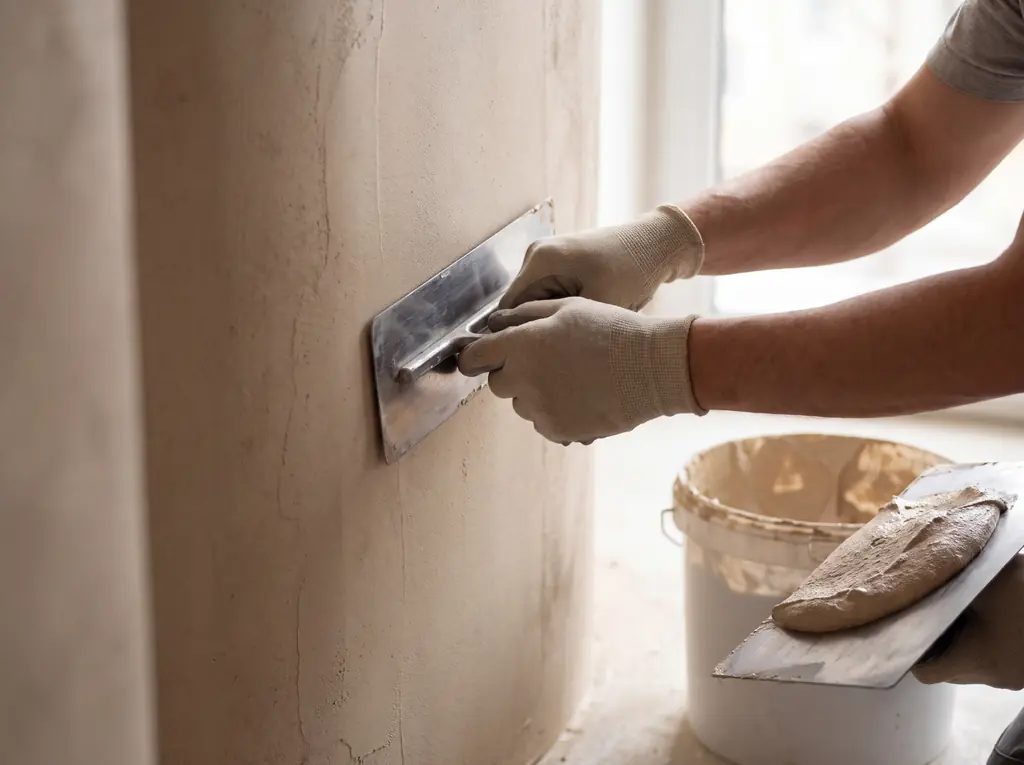
The first base coat is applied and alkali-resistant fibreglass mesh is embedded in it, overlapped at the joins. The mesh helps spread small movements across the surface. On floors it is considered essential.
Second base coat
A second base coat covers the mesh and builds the body of the system. Once cured it is sanded to even out the surface ready for colour.
Two finish coats
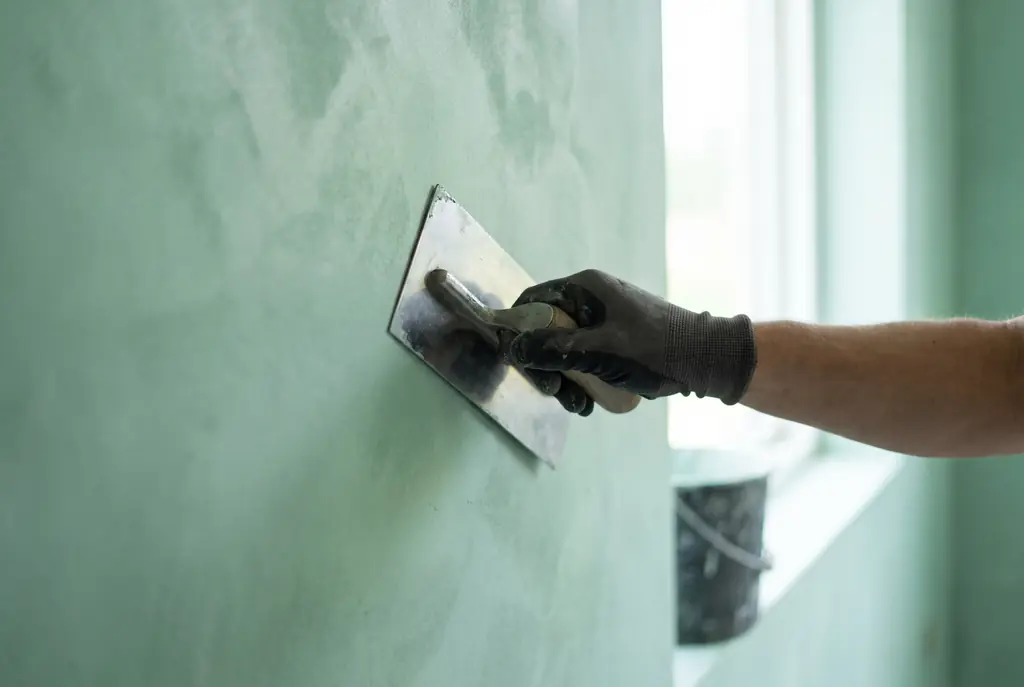
Two thin, finer-grained finish coats define the colour and character: tight and quiet, or with more cloud. Light sanding between and after them sets the feel of the surface underhand.
Seal
A pre-sealer closes the pores, then a top sealer protects the surface and sets the sheen, from matte to satin. The sealer is chosen for the room: wet-zone grade for showers, hard-wearing for floors, exterior-rated outdoors. A curing period follows before heavy use.
Looking after it.
- Clean with a pH-neutral cleaner and a soft mop or cloth.
- Avoid acids, bleach, ammonia and abrasive pads.
- Wipe spills promptly, especially oils, wine, coffee and cosmetics.
- Protect floors with felt pads and mats at entries.
- Renew the sealer when water stops beading or the surface dulls. Typically every 3–5 years, sooner in sun-exposed, heavily chlorinated or high-traffic areas.
What published Australian price guides say.
There is no fixed price list here: every job is quoted on its own surface and scope. For context, these are planning ranges published by Australian applicators and suppliers in 2026, per square metre plus GST, for work that typically includes preparation, the full system and sealing.
| Surface | Typical range | Why |
|---|---|---|
| Floors | A$200–350+ | Large flat areas apply fastest |
| Walls | A$200–400+ | Depends on height and access |
| Bathrooms & wet areas | A$300–500+ | Corners, niches, penetrations, sealing |
| Benchtops, joinery & furniture | A$400–700+ | Edges and labour-intensive detail |
Ranges from Painter Melbourne’s 2026 guide. Others vary: hipages reports about A$200–500 per m² plus GST overall; Microcement Services NSW about A$200–600 plus GST; Topcret about A$160–290 per m² installed. Two quotes are only comparable if they list the same scope: preparation, primer, base and finish coats, sealer, and what is excluded. Sources.
Questions, answered plainly.
Can microcement go over my existing tiles?
Often, yes: that is one of its big advantages. The tiles have to be sound. Every tile is tapped for hollow spots, loose or cracked tiles are fixed or filled, the glaze is cleaned and keyed, grout lines are filled flush, and a primer made for non-absorbent surfaces is applied before the base coats. Damp, movement or an uneven base still need assessing first.
Is microcement waterproof?
Microcement itself is porous. With the right primer, base and sealer system it becomes water-resistant and washable, and many systems are marketed as suitable for showers. In Australian wet areas, compliant waterproofing (AS 3740) is a separate requirement, carried out by a waterproofer licensed as your state requires. Ask any applicator exactly what is in the wet-area system and who is responsible for it.
Will it crack?
Fibreglass mesh embedded in the base coat helps spread small movements in the substrate and reduces the risk of cracking. It is not a guarantee. Building movement, a poor base or missing movement joints can still show through, which is why substrate assessment matters more than the finish coat.
Is it slippery?
A sealed, smooth surface is slicker when wet, so it depends on the sealer and finish. For showers, stairs, pool surrounds and anywhere with bare feet and water, ask for a slip rating for the sealed finish (Australian Standard AS 4586 classifies pedestrian surfaces).
Can I have it over underfloor heating?
Some manufacturers offer systems rated for underfloor heating, and some sell heating-specific lines. Follow the manufacturer’s specification for the heating type and the heat-up and cure schedule.
How long does it take?
Longer than a coat of paint. A professional application is typically six to eight stages across several days, with drying and sanding between coats and a curing period before heavy use. Exact timing depends on the system, the weather and the area.
How do I look after it?
See Care above: a pH-neutral cleaner, no acids, bleach or abrasives, and a renewed sealer every few years.
How much does it cost?
Published Australian price guides run from roughly A$160 to A$600+ per m² installed, depending on the substrate, system and detail. Floors are usually lowest, and wet areas, stairs and joinery higher. See the table above. We quote each job individually.
Can I do it myself?
Kits exist, and suppliers sell to the trade and to enthusiasts. But multi-stage application, sanding, detailing and sealing are skilled work, and the gap between a competent and a poor job shows. For wet areas, waterproofing also needs a licensed trade.
Ready for a quote you can compare line by line?
Preparation, primer, base and finish coats, sealer and exclusions, all itemised. Send the room, the surface and a few photos.